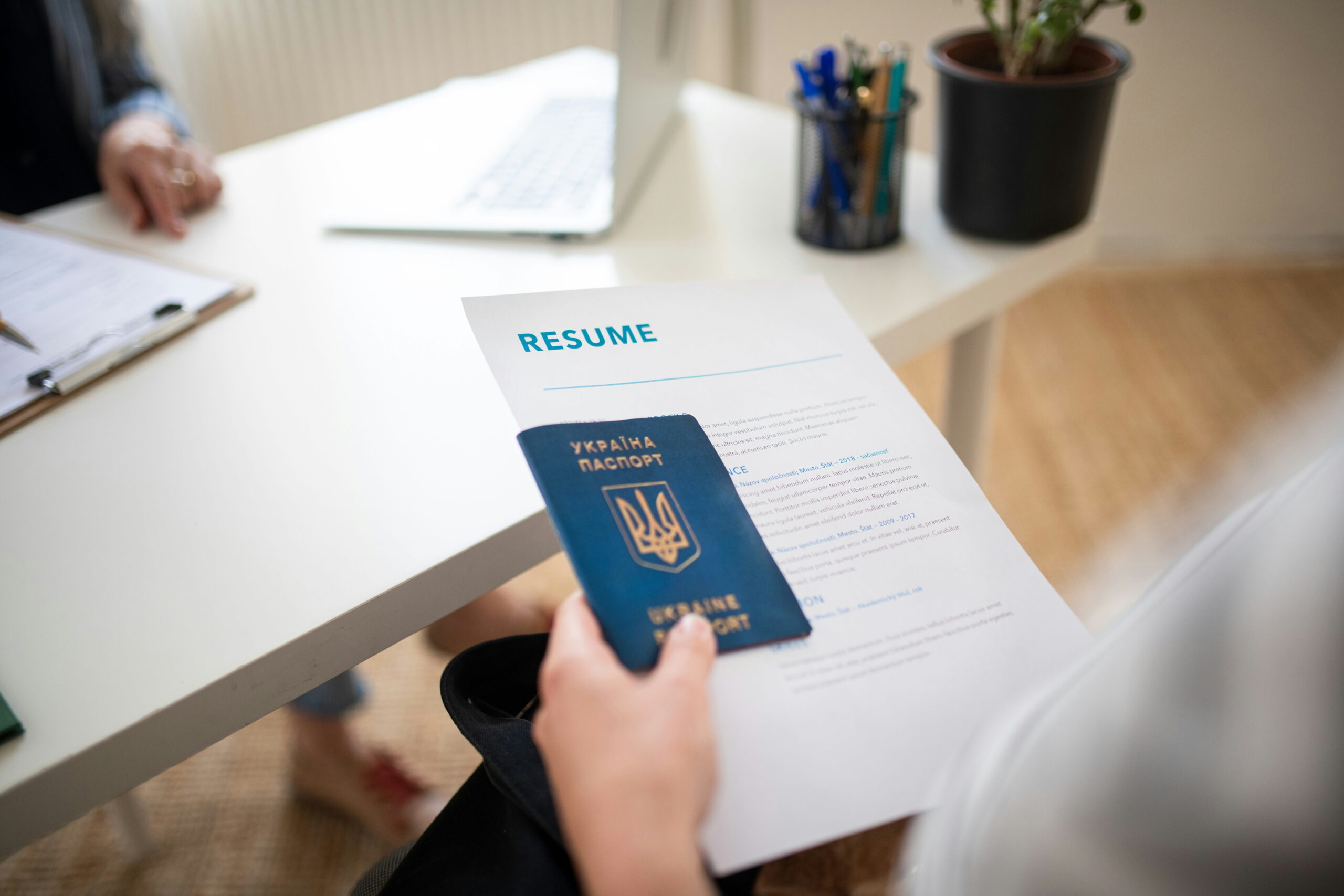
Whenever I plan an international trip, one of the first things I check is whether the country offers visa on arrival. From my personal experience, visa processes can sometimes be stressful and time-consuming. Filling long forms, waiting for approvals, and worrying about rejection can make travel planning complicated. That is why I always prefer destinations that provide visa on arrival. It makes my travel planning easier and faster.
What Visa on Arrival Means to Me
For me, visa on arrival means I do not need to apply weeks in advance. I can simply travel to the destination country and complete the visa process at the airport after landing. This gives me flexibility and saves time. However, I always double-check the rules because some countries have specific conditions.
Why I Prefer Visa on Arrival Countries
- Less paperwork before travel
- No long waiting time for approval
- Flexible last-minute travel plans
- Simple airport process in many cases
This system makes spontaneous trips possible for me. If I find a good flight deal, I do not need to worry much about visa delays.
Important Things I Always Check Before Flying
Even though visa on arrival sounds easy, I never assume everything will be smooth without preparation. From my experience, I always check:
- Passport validity (usually minimum 6 months required)
- Return ticket confirmation
- Hotel booking proof
- Sufficient funds for stay
- Visa fee amount (cash or card accepted)
These small checks help me avoid problems at immigration.
Countries That Offer Visa on Arrival for Indian Travelers
As an Indian traveler, I usually research destinations carefully. Some countries that commonly offer visa on arrival for Indians include:
- Thailand
- Indonesia
- Maldives
- Sri Lanka
- Cambodia
- Jordan
Rules can change anytime, so I always verify from official embassy or government websites before booking.
My Experience at the Airport
In most cases, the visa on arrival process is simple. After landing, I go to the visa counter, fill out a short form, submit required documents, pay the fee, and wait for approval. The process usually takes between 15 minutes to 1 hour depending on crowd. I always keep a pen and required documents ready to save time.
Advantages and Disadvantages From My Experience
Advantages
- Quick and convenient
- Good for short trips
- No pre-travel stress
Disadvantages
- Sometimes long queues
- Visa fee can be higher than e-visa
- Risk if documents are incomplete
Because of these reasons, I prepare properly even if the process seems simple.
Difference Between Visa on Arrival and E-Visa
From my understanding, visa on arrival is processed at the airport, while e-visa is approved online before travel. Personally, I choose based on convenience. If e-visa approval is fast, I prefer that. But if I want flexibility, visa on arrival works better for me.
Final Thoughts From My Side
For me, visa on arrival makes international travel easier and less stressful. It gives me freedom to plan trips without waiting weeks for approval. Still, I never take it lightly. I always check updated rules, carry proper documents, and stay prepared. Smart preparation helps me enjoy smooth immigration and start my trip with confidence.