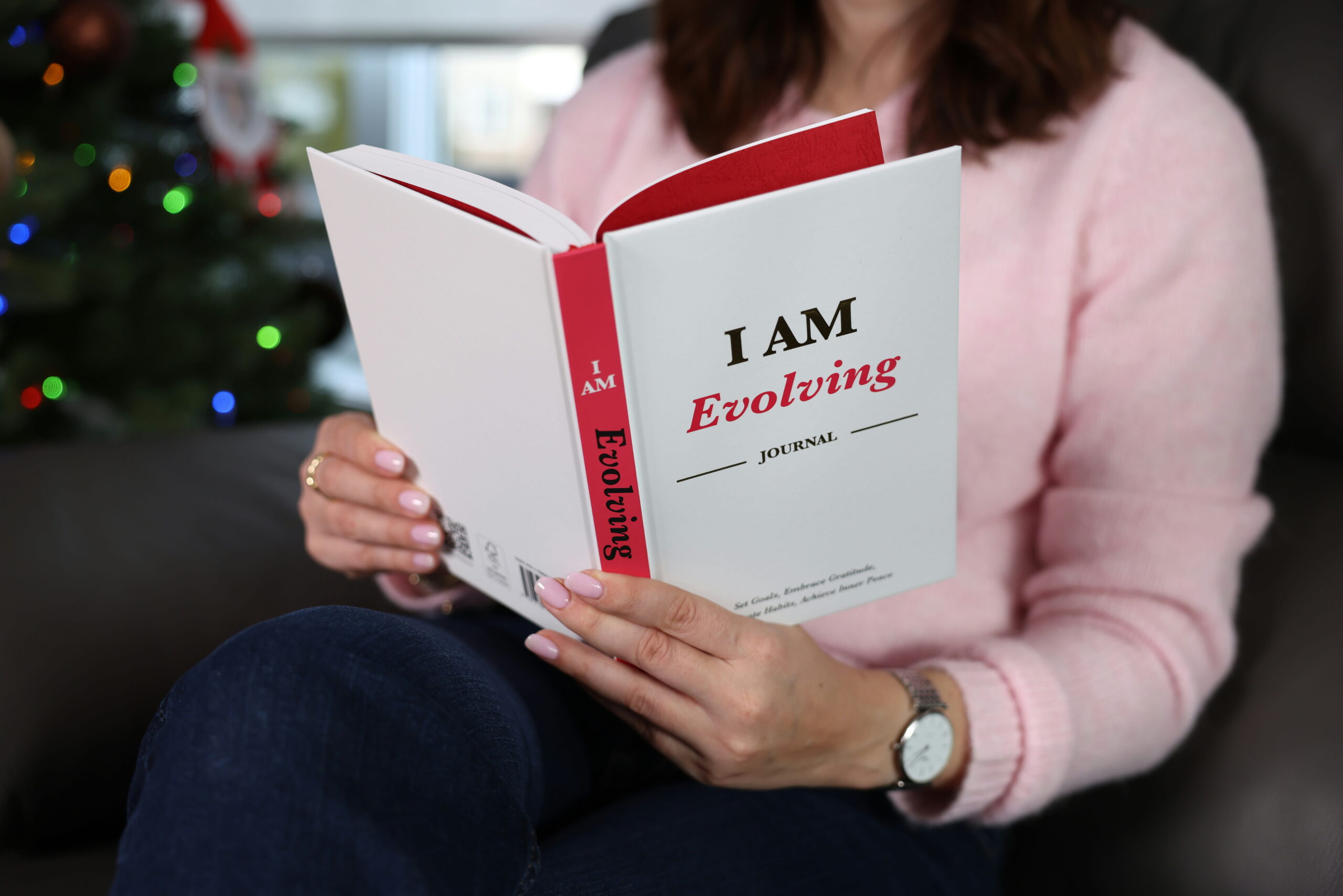
There was a time when my mind never stopped. I would replay conversations, imagine worst-case scenarios, and worry about problems that didn’t even exist yet. Overthinking made small decisions feel huge and simple situations feel stressful.
If you constantly analyze everything, doubt yourself, or struggle to switch off your thoughts at night, you are not alone. The good news is this: overthinking is a habit. And habits can be changed.
This guide will help you understand why it happens and how to stop it step by step.
Why Overthinking Is Secretly Controlling Your Life
Overthinking feels like problem-solving. But in reality, it often does the opposite.
Instead of finding solutions, it:
- Increases anxiety
- Reduces confidence
- Delays decision-making
- Disturbs sleep
- Drains mental energy
The more I overthought, the less productive I became. I realized I was stuck in thinking mode instead of action mode.
The Psychology Behind Overthinking
Understanding the root cause changed everything for me.
Overthinking usually comes from:
- Fear of failure
- Fear of judgment
- Perfectionism
- Need for control
- Past negative experiences
Your brain believes it is protecting you by analyzing every detail. But instead of protecting you, it creates unnecessary stress.
Signs You Are Trapped in an Overthinking Loop
You may be overthinking if:
- You replay past conversations repeatedly
- You imagine worst-case scenarios
- You struggle to make simple decisions
- You overanalyze texts or emails
- You have trouble sleeping because your mind is active
- You constantly doubt your choices
Recognizing these signs is the first step toward change.
10 Practical Strategies to Stop Overthinking
These are the methods that helped me reduce mental noise and regain clarity.
1. Identify the Exact Thought
Instead of saying “I feel stressed,” ask:
What exactly am I thinking right now?
When I named the thought clearly, it lost some of its power.
2. Separate Facts From Assumptions
Ask yourself:
Is this a proven fact or just my assumption?
Most of my worries were based on imagination, not reality.
3. Use the 5-5-5 Rule
Ask:
Will this matter in 5 days?
Will this matter in 5 months?
Will this matter in 5 years?
This simple method instantly reduces unnecessary stress.
4. Take Immediate Small Action
Thinking increases anxiety. Action reduces it.
If you’re worried about an exam, start studying for 20 minutes.
If you’re worried about health, go for a walk.
If you’re worried about work, complete one task.
Progress silences overthinking.
5. Set a Decision Deadline
Give yourself a time limit.
Small decisions – 5 minutes
Medium decisions – 30 minutes
Big decisions – 1–2 days
Without a deadline, your brain keeps analyzing endlessly.
6. Practice Mindfulness Daily
Mindfulness helped me return to the present moment.
Try this simple exercise:
- Focus on your breathing for 2 minutes
- Notice 5 things you see
- Notice 4 things you feel
- Notice 3 things you hear
It brings your mind back to reality instead of imagination.
7. Write Your Thoughts Down
Journaling clears mental clutter.
When I wrote my worries on paper, they felt smaller and more manageable. It helped me see patterns in my thinking.
8. Accept What You Cannot Control
You cannot control:
- Other people’s opinions
- Unexpected events
- The entire future
You can control your effort and mindset. That realization gave me peace.
9. Reduce Mental Noise
Too much information fuels overthinking.
- Limit social media
- Avoid negative news before bed
- Take digital breaks
A calm mind needs fewer inputs.
10. Focus on Solutions, Not Scenarios
Instead of asking “What if everything goes wrong?”
Ask “What is one thing I can do right now?”
Shift from fear to action.
Daily Habits That Rewire an Overactive Mind
These lifestyle changes made a long-term difference for me:
- Regular exercise
- 7–8 hours of sleep
- Healthy eating
- Meditation
- Reading positive content
- Talking openly with someone you trust
Mental strength grows with consistent habits.
What Happens When You Stop Overthinking
Once I reduced overthinking, I noticed:
- Faster decision-making
- Better sleep
- Improved confidence
- More productivity
- Greater emotional stability
- Peace of mind
Life became simpler and clearer.
Final Thoughts: You Are Not Your Thoughts
Overthinking is not your personality. It is a pattern your brain learned. And what is learned can be unlearned.
Start small. Apply one strategy today. Focus on action instead of endless analysis.
Your mind should work for you, not against you.
If you want, I can also create:
- A 30-Day Plan to Stop Overthinking
- A Deep Psychological Version (3000+ words)
- A Student-Focused Version
- A Women Lifestyle Version
- A YouTube Script Version